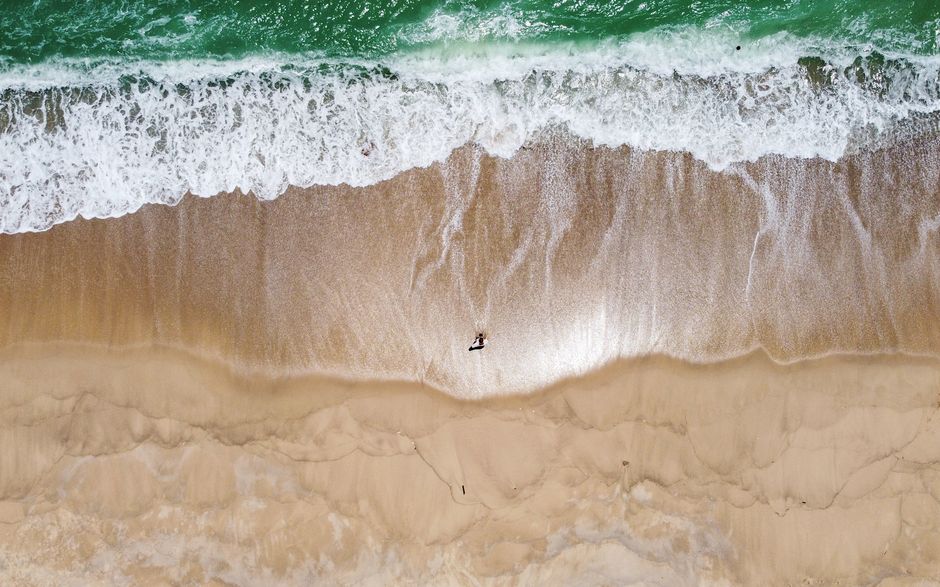
Imagine standing on a warm sand beach, the Andaman Sea rolling in gentle turquoise waves, and the thrill of catching your first ride. For many travelers, surfing seems like a distant dream reserved for hardcore athletes, but in Phuket, Thailand, that dream is surprisingly accessible. This island isn’t just about beach parties and temple tours—it’s also one of the most welcoming places for surfing for beginners in Thailand. With soft sandy bottoms, warm water year-round, and a vibrant surf culture, Phuket offers the perfect classroom for those wanting to trade their flip-flops for a board.
Why Phuket Is a Beginner’s Paradise
Phuket’s west coast beaches are the epicenter of Thai surfing. The monsoon season (May to October) brings consistent swells, but they remain manageable for novices, especially at beaches like Kata and Kalim. Unlike the powerful barrels of Hawaii or the heavy breaks of Australia, Phuket’s waves are forgiving—often waist to chest high, with long rolling faces that give you time to find your balance. The water temperature hovers around 28°C (82°F), so you can ditch the wetsuit and surf in just board shorts or a bikini. Plus, the local surf community is friendly and eager to help newcomers, with many beachside schools offering affordable group lessons.
Best Beaches for Beginners
While every beach has its character, three spots stand out for novice surfers:
- Kata Beach: The most popular beginner spot, Kata has a gentle sandbar break that works on both low and high tide. During the monsoon, waves break steadily to the left and right, perfect for practicing your pop-up. The south end is particularly forgiving.
- Kalim Beach: Just north of Patong, Kalim is less crowded and offers a more mellow wave, especially on smaller days. The vibe is local and chill, ideal for those who want space to make mistakes.
- Surin Beach: Known for its consistent swell, Surin has a sandy bottom and a fun right-hander that appeals to beginners once they’ve mastered the basics. It’s also a great spot to watch more experienced surfers.
If you’re staying near Patong, you’ll find several surf schools right on the sand. Most offer a 2-hour lesson with a board, rash guard, and a patient instructor who will have you standing within the first session.
What to Expect in a Beginner Surf Lesson
Your first surf lesson in Phuket will typically start on the beach, with a safety briefing and basic paddling techniques. You’ll learn how to read the waves, position yourself on the board, and practice the all-important pop-up. Once in the water, your instructor will push you into waves, giving you the perfect timing to catch them. Most beginners are able to stand up on their first or second wave—the adrenaline rush is unforgettable. Lessons are affordable, usually around THB 1,000–1,500 (US$30–45) for a private session, and you can rent boards for about THB 200–300 per hour if you want to practice on your own.
Best Time to Go
The prime surf season in Phuket runs from May to October, when the southwest monsoon delivers consistent waves. June through August are the most reliable months, with smaller swells ideal for beginners. If you visit during the dry season (November to April), the waves are mostly flat, but you can still find small, rideable waves at Kata on rare swell days. For the best balance of good conditions and fewer crowds, aim for late May or early September.
Where to Stay for Surf Access
Choosing the right base can make or break your surf trip. For instant access to the waves, look for accommodations near Kata, Kalim, or Surin. However, staying in Patong offers more nightlife and dining options, while still being a short tuk-tuk ride to the surf beaches. Here are a few well-reviewed options that balance comfort, location, and value:
- Niranapa Boutique Resort (id:49247741): A tranquil hideaway just a short walk from Kata Beach, this resort offers modern rooms and a lush pool—perfect after a day in the saltwater.
- Hotel Clover Patong Phuket (id:3548951): Located in the heart of Patong, this stylish hotel gives you easy access to both the nightlife and the surf schools at Kalim Beach.
- Panwaburi Beachfront Resort (id:28689418): For those who want to wake up to the sound of waves, this resort sits on a quieter stretch of beach, ideal for relaxation and morning surf sessions.
- Amari Phuket (id:10875): A premium option on Patong’s headland, offering stunning sea views and a short walk to the sand. It’s a splurge worth considering for a special trip.
Practical Tips for Beginner Surfers
Before you paddle out, keep these essential tips in mind:
- Check the tide: Most Phuket breaks work best on mid to high tide. Low tide can expose rocks or create shore breaks that are harder to navigate.
- Respect the locals: Even though it’s a tourist destination, surfers in Phuket have an unwritten code. Don’t drop in on someone else’s wave, and always apologize if you do.
- Use reef-safe sunscreen: The ocean here is teeming with marine life, and regular sunscreen harms corals. Look for eco-friendly options.
- Stay hydrated: The tropical heat is intense, and you’ll be paddling hard. Drink plenty of water before and after your session.
- Bring or rent a rash guard: Not only does it protect your skin from the sun, but it also prevents chafing against the board.
- Be patient: Surfing is hard, and you’ll wipe out more than you ride. But every wave you catch is a win—enjoy the process.
Beyond the Waves: Other Things to Do
When you need a break from the surf, Phuket has plenty to keep you busy. Head to the Big Buddha for panoramic views, explore the colorful streets of Old Phuket Town, or take a day trip to the Phi Phi Islands for snorkeling and cliff jumping. For a cultural experience, visit Wat Chalong, the island’s most important Buddhist temple. And don’t forget to indulge in the local cuisine—pad thai, mango sticky rice, and fresh seafood are a must.
Frequently Asked Questions
Do I need to know how to swim to surf?
Yes, basic swimming skills are essential. You’ll be in water at least chest-deep, and you need to feel comfortable in the ocean. If you’re not a strong swimmer, consider taking a few swimming lessons before you go.
Can I surf in Phuket during the dry season?
Technically, the dry season (November–April) has mostly flat seas, but occasional swells can bring small waves, especially at Kata. It’s hit or miss, so if you’re serious about surfing, plan your trip during the monsoon.
Are surfboards available for rent?
Absolutely. Most beaches with surf schools have rental shops. You can get a soft-top board (perfect for beginners) for around THB 200–300 per hour, or THB 500 for a half-day. Some schools even offer discounts if you take a lesson.
To make planning easier, here are a few well-reviewed places to stay that put you close to the action:
Phuket is more than just a beach destination—it’s a place where you can challenge yourself, connect with nature, and ride your first wave. Whether you’re a complete newbie or have dabbled a bit, the island’s friendly waves and warm hospitality will make your surf adventure unforgettable. So pack your swimsuit, grab a board, and get ready to hang ten—or at least, hang on!


