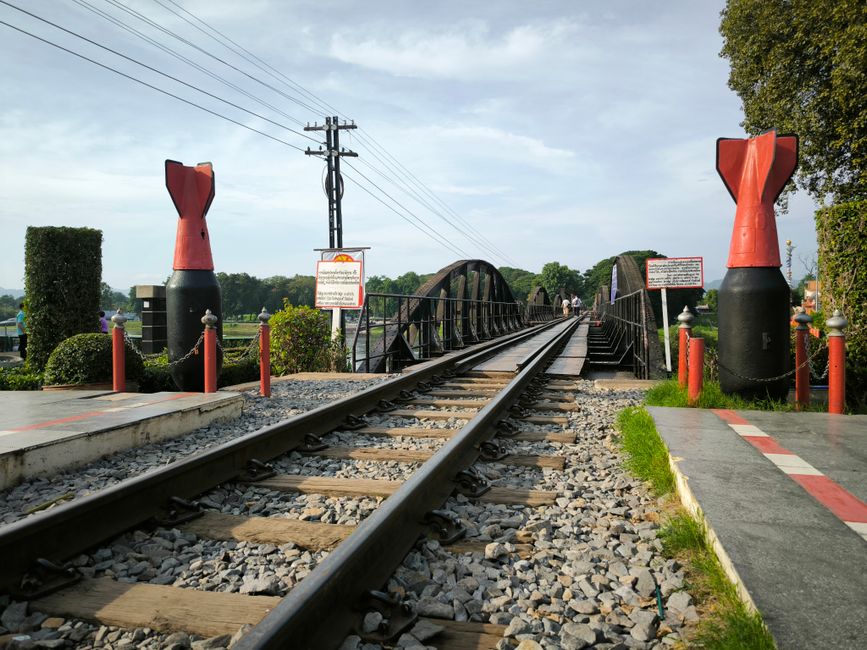

If you think you’ve seen all the thrills Thailand has to offer, wait until you step onto the Kanchanaburi glass bridge. Suspended high above a lush valley, this transparent walkway offers a heart-pumping perspective on the region’s famous limestone cliffs and emerald forests. Whether you’re a seasoned adventurer or a traveler looking for a new angle on Kanchanaburi’s natural beauty, the glass bridge delivers an unforgettable experience that combines vertigo with awe.
Where Is the Kanchanaburi Glass Bridge? Location & Coordinates
The Kanchanaburi glass bridge is located within the Wat Tham Sua (Tiger Cave Temple) complex, about 20 kilometers northwest of Kanchanaburi town. More precisely, it sits atop a steep hill near the temple’s giant Buddha statue and the famous cave. The exact GPS coordinates are 14.0872° N, 99.2664° E. From the main temple parking area, you’ll need to climb a series of stairs or take a temple shuttle to reach the bridge entrance. The drive from central Kanchanaburi takes roughly 30 minutes, and signs to Wat Tham Sua are clearly marked. Many visitors combine the bridge with a visit to the temple itself, making it a convenient half-day outing.
Entrance Fee & Opening Hours
As of 2025, the entrance fee for the Kanchanaburi glass bridge is 100 THB per person (about USD 3). This fee includes access to the bridge and the surrounding temple viewpoints. There is no additional charge for the temple grounds. The bridge is open daily from 8:00 AM to 5:00 PM. To avoid the midday heat and crowds, aim to arrive early in the morning or late in the afternoon. Note that the bridge may close temporarily during heavy rain or maintenance, so check the temple’s Facebook page before heading out.
Nearby Attractions to Pair with the Glass Bridge
Wat Tham Sua (Tiger Cave Temple)
The temple complex itself is a major draw. Don’t miss the giant seated Buddha statue and the meditation caves. The climb to the bridge offers panoramic views of the surrounding countryside.
Erawan National Park & Erawan Waterfall
Just 30 minutes north of the temple, Erawan National Park boasts a seven-tiered waterfall with turquoise pools perfect for swimming. A visit to the glass bridge pairs beautifully with a morning hike and a cool dip at Erawan.
Hellfire Pass Memorial Museum
About 40 minutes away, this moving museum tells the story of the WWII Death Railway. The walking trail through the original railway cutting is both educational and sobering.
Sai Yok Noi Waterfall
Closer to the bridge (about 20 minutes), this smaller waterfall offers a quieter alternative to Erawan, with a natural pool for swimming and picnic areas.
Local Food & Souvenirs You Should Try
After your bridge walk, head to the nearby food stalls and small restaurants around Wat Tham Sua. Khao lam (sticky rice with coconut milk and beans, roasted in bamboo) is a local specialty you’ll find sold fresh. For a savory treat, try kanom jeen nam ya – fermented rice noodles served with a spicy fish curry sauce. Souvenir stalls at the temple entrance sell handwoven textiles from the Mon community, dried banana chips, and herbal balms made from local plants. If you visit on a weekend, the small market in Kanchanaburi town offers a wider selection of crafts.
Important Tips & Precautions
Before you step onto the Kanchanaburi glass bridge, keep these practical points in mind:
- Footwear: Wear closed-toe shoes with good grip. Sandals or flip-flops are not allowed on the glass surface for safety reasons.
- Dress code: As the bridge is part of a temple complex, dress modestly – cover shoulders and knees. A light scarf or shawl is handy.
- Weather: The bridge can get slippery when wet. If it rains, consider waiting until the surface dries.
- Photography: Phones and cameras are allowed, but no selfie sticks or tripods on the bridge.
- Health: If you have a fear of heights or suffer from vertigo, you may find the transparent sections challenging. There are solid walkways at the sides for those who prefer them.
- Timing: The bridge is busiest between 10 AM and 2 PM. Visit early or late for a calmer experience.
Where to Stay Near the Kanchanaburi Glass Bridge
To make planning easier, here are a few well-reviewed places to stay that offer comfort, value, and easy access to the bridge and other top attractions: River Kwai Bridge Resort (4.0★, 8.5/10) is a solid mid-range option right by the famous bridge, with clean rooms and a pool. Home Phutoey River Kwai (3.5★, 8.5/10) offers a cozy, riverside setting with friendly service. For a truly unique experience, The Float House River Kwai Resort (4.5★, 8.8/10) lets you sleep in floating bungalows on the river – a bucket-list stay. Budget travelers will appreciate River Kwai View Hotel Kanchanaburi (2.5★, 8.9/10), which boasts great views and excellent value.
Frequently Asked Questions
Is the Kanchanaburi glass bridge safe?
Yes, the bridge is built with reinforced glass and steel, and undergoes regular inspections. Weight limits are posted at the entrance, and staff monitor the number of visitors on the bridge at any time.
Can I visit the glass bridge without going to the temple?
The bridge is located within Wat Tham Sua, so you will pass through the temple grounds. However, there is no separate admission for the bridge – the 100 THB fee covers both the temple and the bridge.
How much time should I allow for the bridge and temple?
Plan for about 1.5 to 2 hours. This gives you time to walk the bridge, enjoy the viewpoints, explore the temple, and take photos. If you add a nearby waterfall or museum, budget half a day.
Where to Stay

River Kwai Bridge Resort
★★★★ · 8.5/10
USD 26 / night
Check Rates on Agoda
Home Phutoey River Kwai
★★★★ · 8.5/10
USD 41 / night
Check Rates on Agoda
The Float House River Kwai Resort
★★★★★ · 8.8/10
USD 171 / night
Check Rates on Agoda
River Kwai View Hotel Kanchanaburi
★★★ · 8.9/10
USD 39 / night
Check Rates on Agoda